
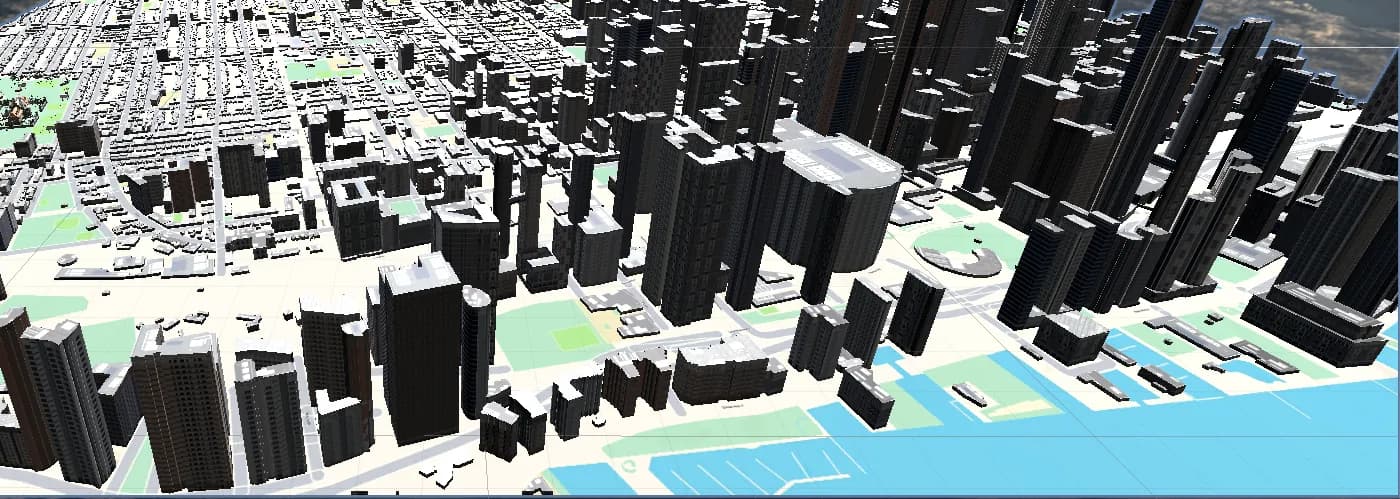

A virtual city, built on your real one.
Boundary connects local businesses and the people who live around them through a web app, two mobile apps and a multiplayer game — all sharing one in-world economy.
- connected products
- 4connected products
- shared silver economy
- 1shared silver economy
- real-time data streams
- 17real-time data streams
The idea
What if shopping locally was as fun as a game?
Boundary is a virtual platform that brings apps and a video game together to serve local businesses and consumers in a new, genuinely fun way — one that benefits both sides.
Businesses reach the residents around them with interactive flyers, coupons and group deals. Residents earn silver for reading, shopping and playing, and spend it back at those same businesses — or inside a multiplayer game built from a map of their own city.

 Silver, gold and vendor-sponsored rewards move between every part of Boundary.
The economy
Three closed loops keep Boundary growing.
Every part of the platform hands value to another part. Nothing is a dead end, so each new resident, vendor or guild makes the whole system more useful.
- 1
Residents ⇄ vendors
Vendors reach nearby residents with flyers, coupons and in-game ads. Residents purchase with money or redeem silver.
- 2
Vendors ⇄ guilds
Guilds unlock group deals at lower prices; vendors reward guild members with silver for the business they bring.
- 3
Guilds → game → residents
Guild membership makes the game better, and the game pays out more silver to spend back in the neighbourhood.
01Boundary Web App
The vendor parlour and the resident’s home, in one browser tab.
Vendors design interactive flyers and coupons in a built-in editor — templates, rich text, drag-and-resize layout, image cropping — and target them by postal code to the residents nearby. A vendor console covers catalogue, promotions, guild deals, sales statistics and settlements.
Residents get a home of their own: a house scene where new flyers arrive in the mailbag, a pet that grows by reading them, and a treasury of gold and silver. Orders, flyers, guild chat and silver balances update live.
- Online flyer design
- Targeted distribution of flyers
- Resident house scene
- Tons of silver for residents
- A free web page for every vendor
Flyer designer Resident home and house scene Free vendor web page Guild management
02Boundary Resident Mobile
Neighbourhood deals, and your guild, in your pocket.
Residents browse nearby deals on a map, shop and check out, and redeem coupons at the counter with a QR code. Their house, pet and guild come along too, with chat to coordinate group purchases.
- Online shopping
- Online coupon redemption
- Deal matching
- Guild activities
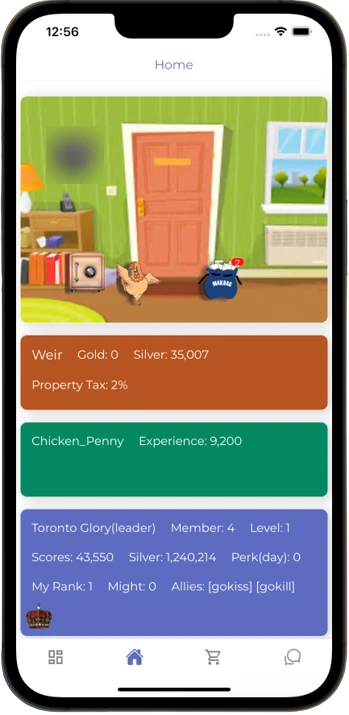
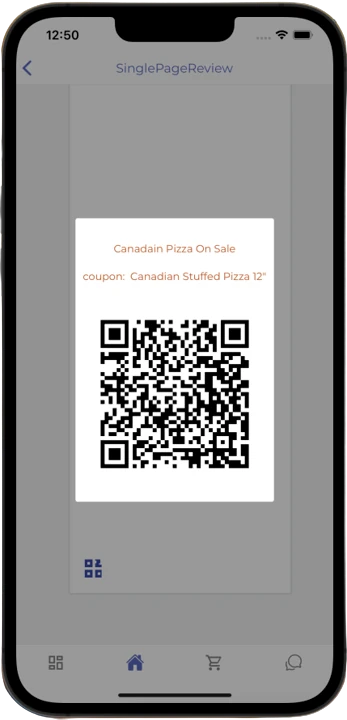
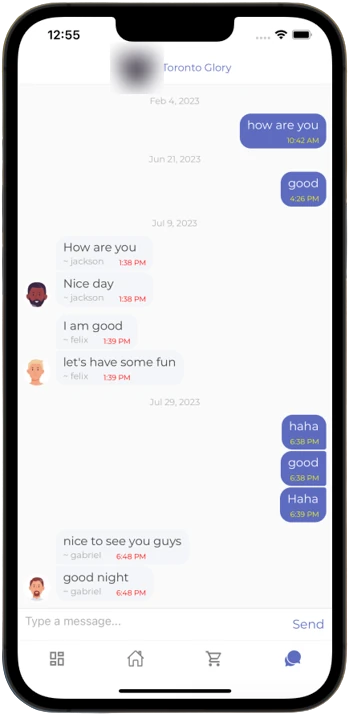
03Boundary Vendor Mobile
Run the counter from your phone.
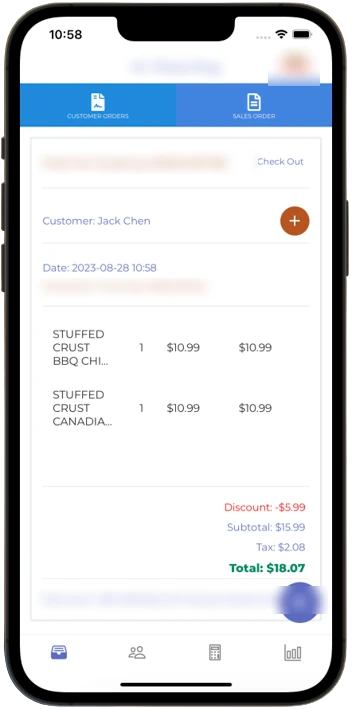
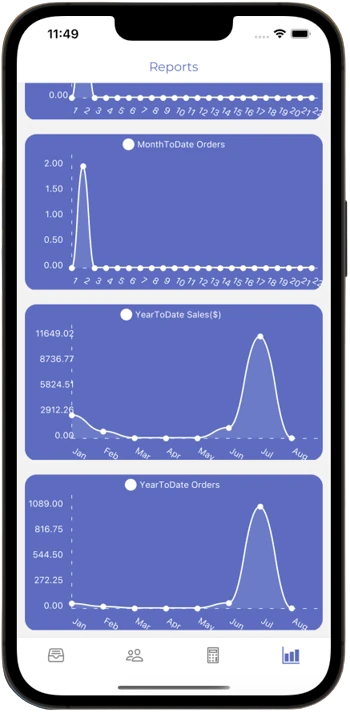
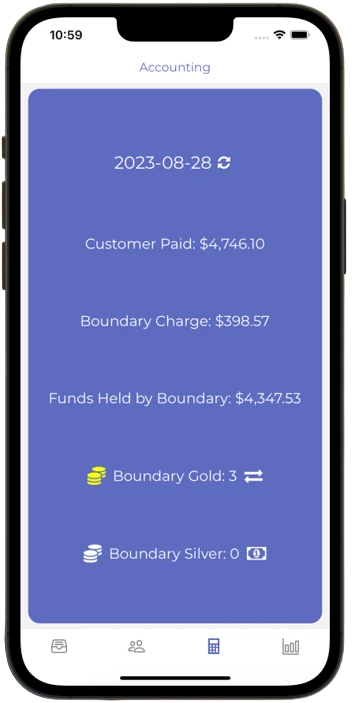
Vendors take and fulfil orders, ring up instant sales, scan residents’ coupons and watch month-to-date and year-to-date performance — with a clear ledger of what customers paid, Boundary’s charge and funds held.
- Online order management
- Online coupon redemption
- Instant sales orders
- Sales statistics and charts
04Boundary MMORPG
Real life, in game.
Generated from real map data, the game drops players into a 3D scene of the city they’re actually in. Monsters drop silver and vendor-sponsored treasure chests, billboards carry local ads, and guilds compete for the city hall.
Through substitute buy, the in-game shop stocks real local businesses’ items — so silver earned in a fight can turn into a purchase down the street.
- In-game ads
- In-game shopping
- Virtual real estate
- Substitute buy
- In-game event news broadcast
World map On the street Monsters drop silver and chests Substitute buy in the in-game shop
The opportunity
$20 billion / year
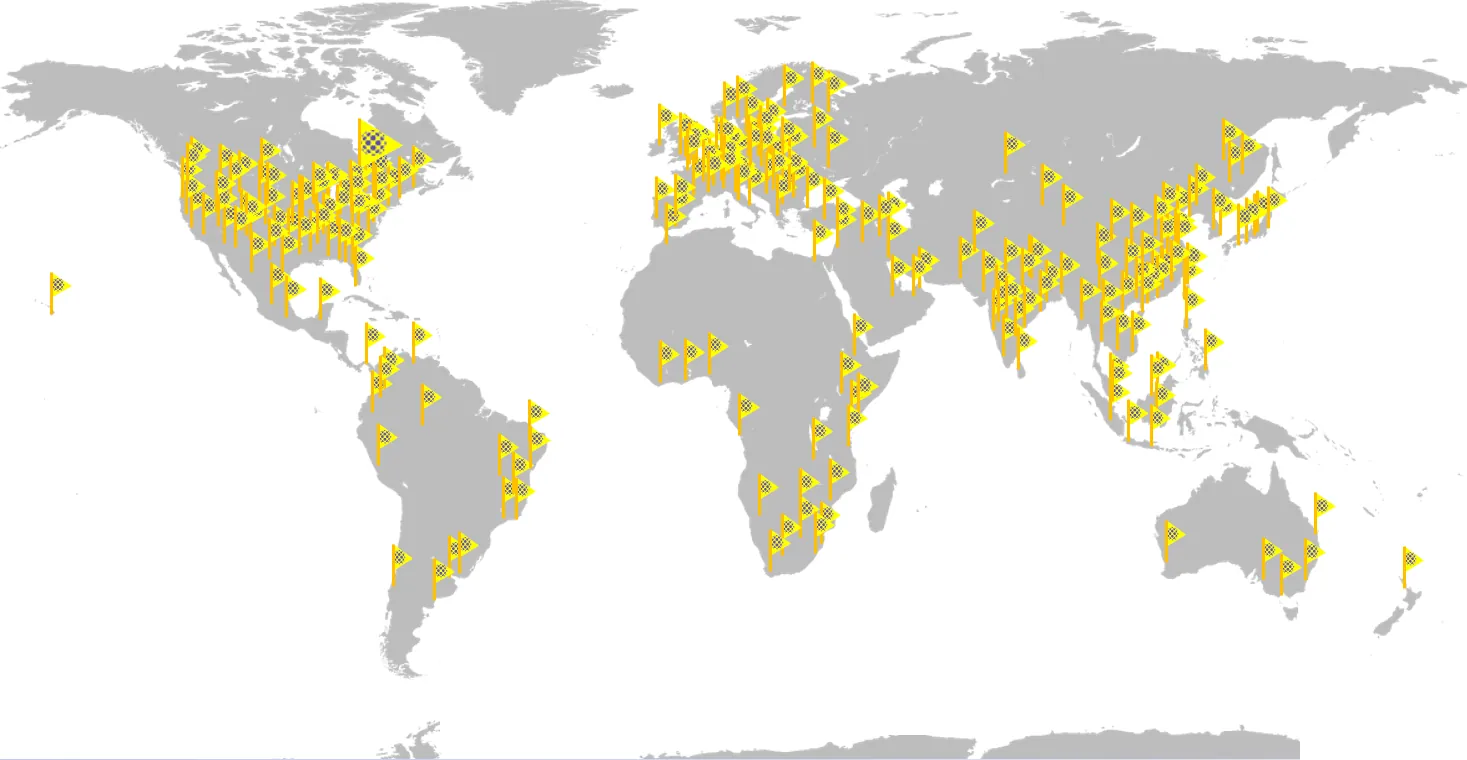
Every city has local businesses and the people who live around them. We expect Boundary to become a worldwide business with $20 billion in annual revenue.
Company projection; not a statement of current revenue.
Under the hood
A Unity game, two React Native apps and a GraphQL platform — one system.
The multiplayer game is built in Unity with Mirror networking and is a working prototype. The web platform and mobile apps share its backend.
Real-world maps
The game world is generated from Mapbox map data. Where a player lives decides where they spawn and who their neighbours are.
One economy, every client
Game, web and mobile all read and write the same GraphQL economy: silver earned fighting a monster is silver spent at a real shop.
Live by default
17 GraphQL subscriptions push new flyers, orders, guild chat and silver balances to every screen the moment they change.
Rebuilt and hardened in 2026
The web platform moved to Vue 3, Vite and Apollo Server 4, with authentication on all 59 mutations and critical vulnerabilities cut from 30 to zero.
Screenshots show development data. Third-party business names and logos have been obscured.